
 Türkçe
  English
 Why Is Biosecurity Critical in Livestock Farming? Risk Management in Modern Farms






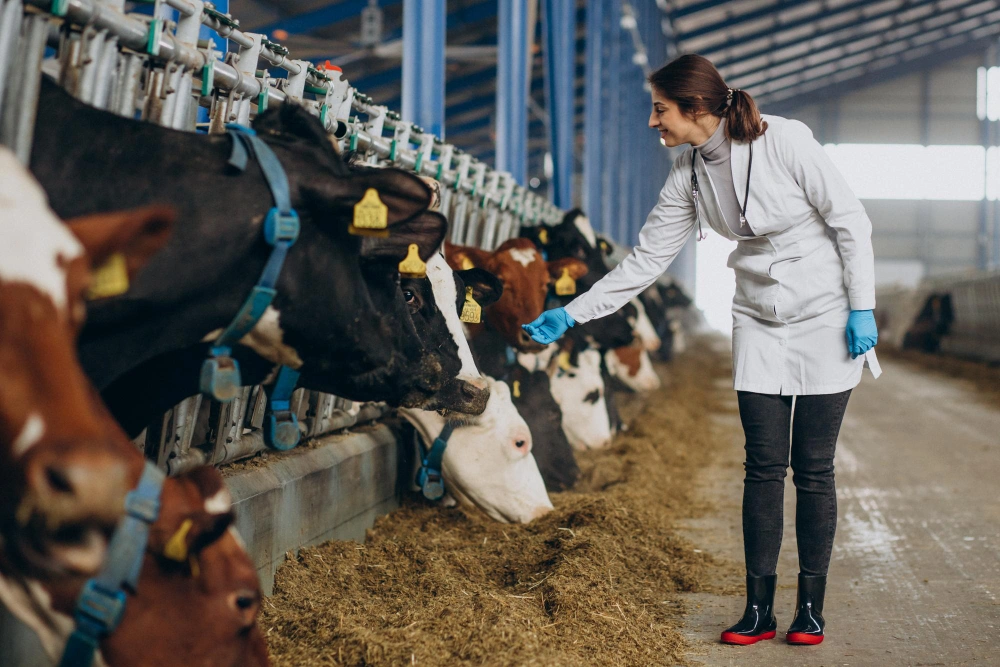
In modern livestock farming, ensuring production continuity and protecting animal health is not only about proper care but also about establishing a strong biosecurity infrastructure. Biosecurity is a systematic approach that prevents diseases and external risk factors from entering the farm.
Today, biosecurity practices have become an essential part of professional livestock facilities. Disease outbreaks can impact not only animal welfare but also the economic sustainability of farming operations.
What Is Biosecurity?
Biosecurity includes all measures taken to prevent harmful microorganisms, diseases, and external threats from entering a livestock operation. These measures cover both physical barriers and operational procedures.
An effective biosecurity system is not just a set of rules; it requires disciplined implementation and continuous monitoring.
Key Components of Biosecurity Systems
In modern farms, biosecurity is implemented through a multi-layered structure. This approach helps minimize risks and ensures stable production.
- Controlled entry and exit points with visitor restrictions
- Hygiene protocols and protective equipment for staff
- Vehicle and equipment disinfection systems
- Regular cleaning of facilities and surroundings
- Disease monitoring and early detection practices
Consistent and proper application of these components keeps the biosecurity chain strong.
The Role of Biosecurity in Preventing Disease Risks
Infectious diseases are among the biggest risks in livestock farming. Uncontrolled access, poor hygiene, and insufficient monitoring can lead to rapid disease spread.
Biosecurity systems significantly reduce these risks. Early prevention and continuous control mechanisms play a critical role in avoiding potential outbreaks.
Quarantine and Isolation Processes
Quarantine and isolation are essential parts of biosecurity in modern facilities. Newly introduced animals should not be immediately integrated into the herd but instead monitored for a certain period.
Similarly, animals showing signs of illness should be separated from the rest. These measures greatly reduce the risk of disease transmission.
Importance for Sustainable Production
Biosecurity not only prevents diseases but also maintains production continuity and quality standards. A healthy production environment results in lower long-term costs and higher efficiency.
For this reason, biosecurity is not an optional practice in modern farming but a fundamental component of successful operations.
Conclusion
Success in livestock farming depends not only on production capacity but also on how well risks are managed. Biosecurity systems are one of the most powerful tools for protecting both animal health and business sustainability.
A well-planned and consistently implemented biosecurity infrastructure will continue to be an essential element of modern farms.